
NATO’s experience: veteran reintegration programmes
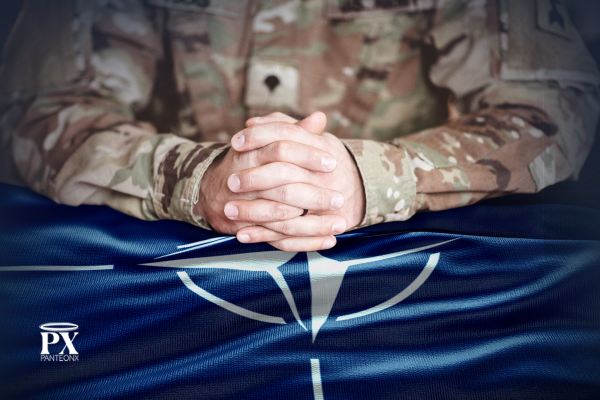
The transition from military to civilian life is a shared challenge for all nations with armed forces. Within NATO, this issue has been central to security and social policy for decades. The Alliance’s experience offers valuable lessons for Ukraine, which faces the daily reality of reintegrating veterans after service.
A comprehensive approach
NATO member states treat reintegration as a multidimensional process: vocational retraining, medical and psychological rehabilitation, social support, and family assistance. Crucially, these programmes are systematic — every veteran is entitled to them, and governments ensure sustainable funding.
Vocational retraining
In Canada and the United Kingdom, career transition centres provide veterans with free access to higher education or professional training. In the United States, the GI Bill covers tuition fees and other education-related costs for veterans and their families.
Psychological support
Several NATO countries operate dedicated services for post-traumatic stress disorder (PTSD). Denmark, for instance, offers veteran mental health centres with therapy, group sessions and peer-to-peer support networks.
Social guarantees
In Germany and the Netherlands, veterans benefit from comprehensive welfare systems that include healthcare, insurance and tax benefits. Such guarantees not only provide material support but also reinforce societal recognition of military service.
Relevance for Ukraine
For Ukraine, NATO’s experience highlights a key point: reintegration is not a temporary campaign but a long-term policy priority. It requires coordination between government, civil society and the private sector. A robust system of support would allow veterans not only to return to civilian life but also to become active drivers of social and economic resilience.
NATO’s experience: veteran reintegration programmes

Read other articles of the fund

International Women’s Day: appreciation and recognition
International Women’s Day, celebrated on 8 March, is an opportunity to recognise the contributions women make to families, communities and society as a whole.

24 February: Four Years of Full-Scale War — Memory, Responsibility and Long-Term Support
The date is etched not only in national history but in the personal memory of millions. It represents the rupture of ordinary life — displacement, loss, uncertainty — and, for many, a renewed sense of responsibility towards family, community and country.

Overburdened by responsibility: why people break under pressure, not weakness
Prolonged crises generate a particular form of pressure — responsibility without clear limits. It is reinforced by expectations to “hold on”, “stay strong” and “support others” at all costs.