
Pskov, drone attack. A new reality for Russia. Aggression is not left unanswered
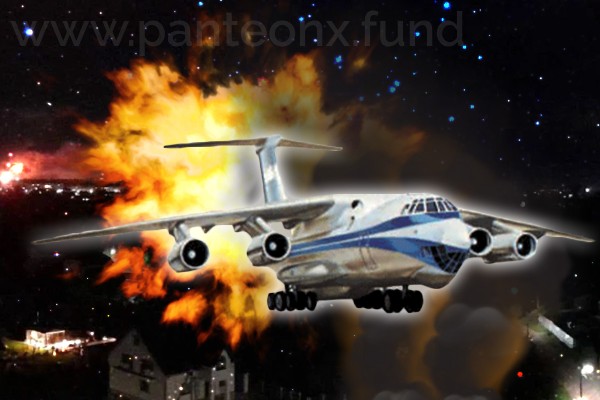
On the night of August 30, an event occurred that caused publicity and impression - drones struck Russian territory. One of the largest objects that suffered from the attack was the airfield in the city of Pskov. Two destroyed aircraft were found there, and at least four Il-76 military transport aircraft were damaged. A large number of drones attacked the airfield, leaving behind fire and destruction. Pskov is just one point in a multifaceted picture. The news of drone attacks over other regions of Russia was also shocking. Facilities in the Bryansk, Orel, Ryazan, Kaluga, and Moscow regions were also attacked, damaging or destroying aircraft and other infrastructure. The unexpectedness and scale of the events caused a kind of shock. The Russian command expressed its concern and even acknowledged the losses. But the circumstances of the attack do not match their previous reports, suggesting that Russia may face unprecedented challenges and surprises. In particular, the Russian Ministry of Defense initially tried to downplay the attacks and ignore them. But the size of the attacks and their consequences forced agencies and state military structures to comment on the situation. It should be emphasized that the attacks were directed only at military targets, which emphasizes Ukraine's maturity and responsibility in the use of its force. This demonstrates compliance with international norms and a commitment to a peaceful resolution of the conflict. Despite the difficult challenges Ukraine faces, Ukrainians are ready to defend their country and fight for freedom and justice. Today, once again, drones have demonstrated that even in the darkness of night they can bring the light of hope and justice to our people.
Read other articles of the fund

International Women’s Day: appreciation and recognition
International Women’s Day, celebrated on 8 March, is an opportunity to recognise the contributions women make to families, communities and society as a whole.

24 February: Four Years of Full-Scale War — Memory, Responsibility and Long-Term Support
The date is etched not only in national history but in the personal memory of millions. It represents the rupture of ordinary life — displacement, loss, uncertainty — and, for many, a renewed sense of responsibility towards family, community and country.

Overburdened by responsibility: why people break under pressure, not weakness
Prolonged crises generate a particular form of pressure — responsibility without clear limits. It is reinforced by expectations to “hold on”, “stay strong” and “support others” at all costs.