
Grant Shepps is the new Minister of Defense of the United Kingdom
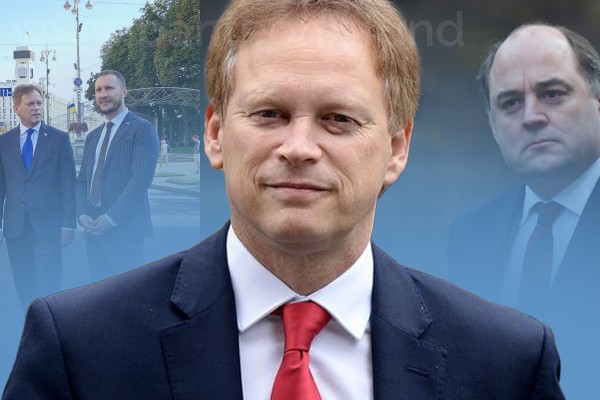
Grant Shepps has been appointed as the new UK Secretary of Defense following the resignation of Ben Wallace. This important event took place on August 31 and was announced in Downing Street. For Shepps, this is his fifth government position in a year. Previously, he served as Transport Secretary under Boris Johnson, briefly headed the Home Office under Liz Truss, was Business Secretary, and later headed the Energy Department under Rishi Sunak. On August 22, the eve of Independence Day, Grant Shepps visited Kyiv and announced a £192 million loan guarantee for Energoatom. In April 2022, Shepps hosted a family of Ukrainian refugees and their dog who fled Russian aggression. It is important to note that Ben Wallace, who had served as the UK's Defense Secretary for four years, has officially resigned. In his letter to British Prime Minister Rishi Sunak, he emphasized the achievements of the British armed forces and their leadership in various areas, such as the evacuation of Kabul, the response to COVID-19, resistance to Russia's invasion of Ukraine, and the evacuation of Sudan. It is also worth noting that one of the reasons for Ben Wallace's resignation was his desire to become NATO Secretary General, but US President Joe Biden and other NATO leaders did not support this option. This information became known on June 16, when Wallace informed Prime Minister Rishi Sunak of his departure from politics. With a new defense secretary, the UK continues to adapt to changes in political leadership and the geopolitical challenges it faces in the global context.

Read other articles of the fund

International Women’s Day: appreciation and recognition
International Women’s Day, celebrated on 8 March, is an opportunity to recognise the contributions women make to families, communities and society as a whole.

24 February: Four Years of Full-Scale War — Memory, Responsibility and Long-Term Support
The date is etched not only in national history but in the personal memory of millions. It represents the rupture of ordinary life — displacement, loss, uncertainty — and, for many, a renewed sense of responsibility towards family, community and country.

Overburdened by responsibility: why people break under pressure, not weakness
Prolonged crises generate a particular form of pressure — responsibility without clear limits. It is reinforced by expectations to “hold on”, “stay strong” and “support others” at all costs.