
Head of Ivano-Frankivsk District Military Administration dismissed for drunkenness
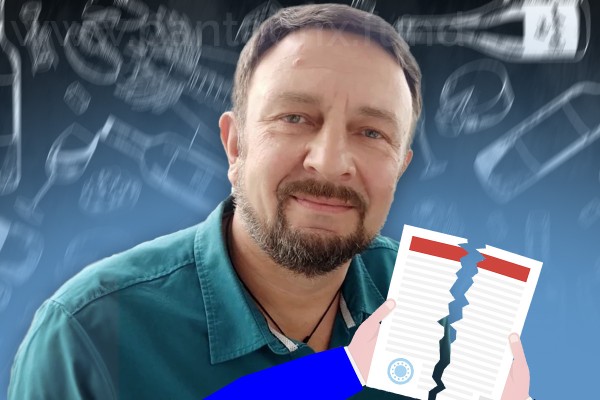
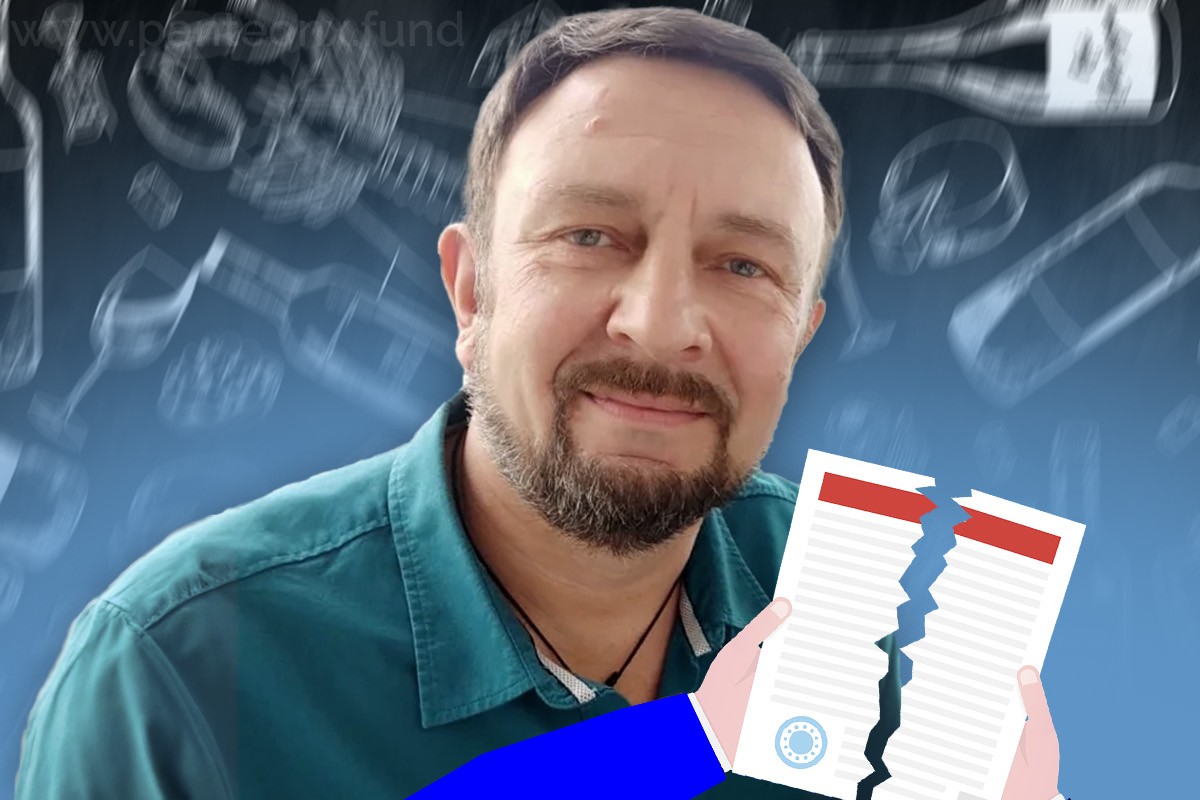
President of Ukraine Volodymyr Zelenskyy has decided to dismiss Oleksandr Yaroshchuk from the post of head of the Ivano-Frankivsk District Military Administration. The order was published on August 31, 2023, on the official web portal of the President of Ukraine. The reason for this decision was Oleksandr Yaroshchuk's violation of labor rules in accordance with paragraph 7 of part one of Article 40 of the Labor Code of Ukraine. This clause provides for the termination of the employment contract in case of an employee's appearance at work in a state of intoxication, as well as in a state of narcotic or toxic intoxication. Mr. Yaroshchuk refrained from commenting on the reasons for his dismissal. According to the information known about Oleksandr Yaroshchuk, he has been the head of the Ivano-Frankivsk District Military Administration since March 5, 2021. He was born on August 14, 1969, in Ivano-Frankivsk. In addition, he headed a private enterprise called Yarko-IF and was a participant in the Revolution of Dignity. In 2014, he also ran for election to the Verkhovna Rada of Ukraine of the VIII convocation. This is not the first personnel decision President Zelensky has made recently. Earlier this week, he dismissed the head of the Security Service of Ukraine in Zakarpattia region, Yevhen Borzilov.
Read other articles of the fund

International Women’s Day: appreciation and recognition
International Women’s Day, celebrated on 8 March, is an opportunity to recognise the contributions women make to families, communities and society as a whole.

24 February: Four Years of Full-Scale War — Memory, Responsibility and Long-Term Support
The date is etched not only in national history but in the personal memory of millions. It represents the rupture of ordinary life — displacement, loss, uncertainty — and, for many, a renewed sense of responsibility towards family, community and country.

Overburdened by responsibility: why people break under pressure, not weakness
Prolonged crises generate a particular form of pressure — responsibility without clear limits. It is reinforced by expectations to “hold on”, “stay strong” and “support others” at all costs.