
Why people stop asking for help
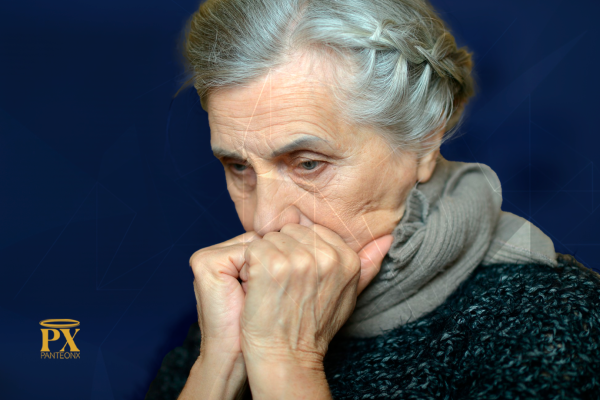
In difficult circumstances, people do not always seek support, even when they need it. Over time, this becomes a common behavioural pattern influenced by several factors.
One reason is the gradual habit of coping independently. Individuals adapt to challenging conditions and begin to rely primarily on themselves.
Another factor is the perception that others are facing similar difficulties. This can create a reluctance to add to the perceived burden on others.
Psychological barriers
Previous experiences also play a role. If someone has not received the support they expected in the past, they may be less willing to ask again.
There is also the challenge of articulating a need. It is not always clear what kind of help is required.
As a result, distance develops in communication, and people become less likely to share their experiences.
In such contexts, support often depends on attentiveness from others. Taking the initiative can help reduce this distance and create a safer space for open interaction.
Why people stop asking for help

Read other articles of the fund

From survival to living: a new stage of recovery
During prolonged periods of stress, people often enter what can be described as a survival mode.

PTSD: what society needs to understand
Post-traumatic stress disorder (PTSD) is one of the possible outcomes of experiencing traumatic events.

Mental health as part of recovery
Mental health plays a crucial role in the recovery process following prolonged stress. It affects a person’s ability to adapt, make decisions and rebuild daily life.