
PTSD: what society needs to understand
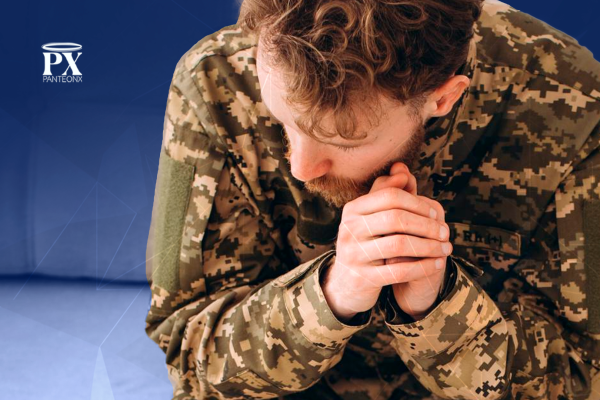
Post-traumatic stress disorder (PTSD) is one of the possible outcomes of experiencing traumatic events. In the current context, this issue has become increasingly relevant as many people are exposed to prolonged stress.
PTSD can manifest in different ways. It may involve emotional responses, physical symptoms and cognitive changes. Individuals can experience heightened tension, sleep difficulties, problems with concentration or emotional fluctuations.
It is important to recognise that these reactions are not signs of weakness, but responses to lived experience. They do not disappear immediately and require time and support.
The role of society
Society plays a key role in shaping an environment where recovery is possible. Public understanding influences whether individuals feel able to seek help.
Support extends beyond professional services. It is reflected in everyday interactions — in the absence of stigma, respect for personal boundaries and attentiveness to others.
Creating a supportive environment and ensuring access to resources are essential for helping individuals gradually recover and adapt after difficult experiences.
PTSD: what society needs to understand
Read other articles of the fund

From survival to living: a new stage of recovery
During prolonged periods of stress, people often enter what can be described as a survival mode.
Mental health as part of recovery
Mental health plays a crucial role in the recovery process following prolonged stress. It affects a person’s ability to adapt, make decisions and rebuild daily life.
Why people stop asking for help
In difficult circumstances, people do not always seek support, even when they need it. Over time, this becomes a common behavioural pattern influenced by several factors.