
Mental health as part of recovery

Mental health plays a crucial role in the recovery process following prolonged stress. It affects a person’s ability to adapt, make decisions and rebuild daily life.
While physical recovery is often more visible, internal wellbeing requires equal attention. Emotional exhaustion, anxiety and difficulties with concentration may persist even after external conditions change.
In this context, it becomes important to develop approaches that support psychological balance. These may include basic self-regulation practices as well as access to professional support.
Recovery as a comprehensive process
Mental health is part of a broader recovery process. It is closely linked to social connections, living conditions, work and the overall environment.
Gradual return to routine activities, support from others and access to resources help restore a sense of stability.
In today’s context, attention to mental health is an essential component of recovery, both for individuals and for society as a whole.
Mental health as part of recovery


Read other articles of the fund

From survival to living: a new stage of recovery
During prolonged periods of stress, people often enter what can be described as a survival mode.
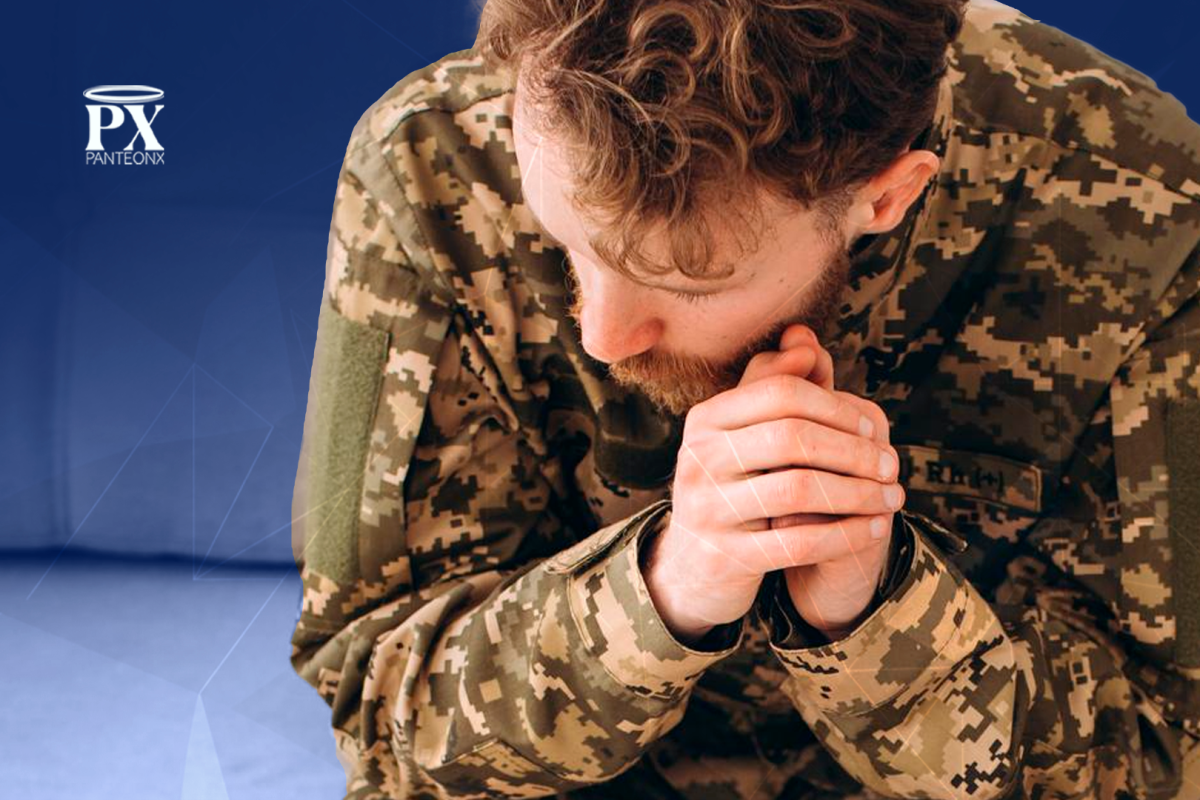
PTSD: what society needs to understand
Post-traumatic stress disorder (PTSD) is one of the possible outcomes of experiencing traumatic events.
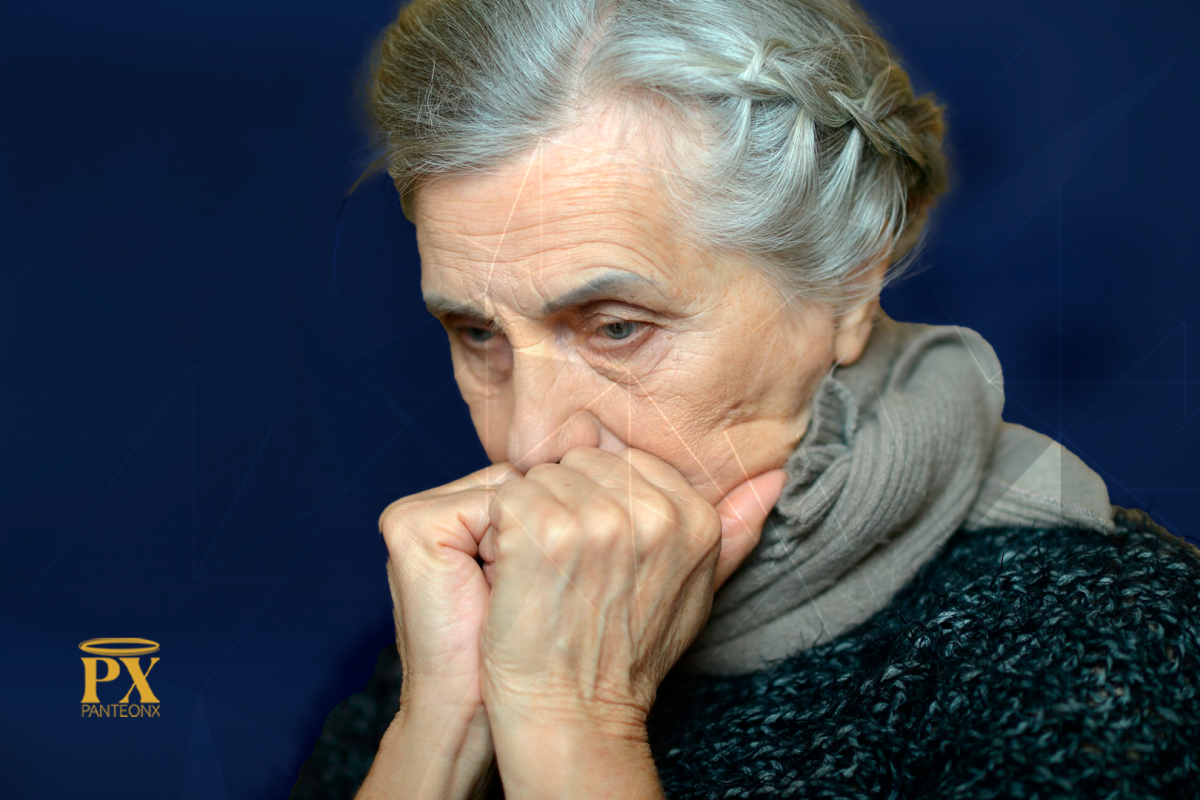
Why people stop asking for help
In difficult circumstances, people do not always seek support, even when they need it. Over time, this becomes a common behavioural pattern influenced by several factors.