
From survival to living: a new stage of recovery

During prolonged periods of stress, people often enter what can be described as a survival mode. Attention is focused on basic needs, immediate decisions and maintaining stability.
Over time, as pressure gradually decreases, there is space for a shift. This stage involves a renewed ability to plan, engage with everyday life and consider the future.
This transition is not linear. Individuals may return to periods of heightened tension or instability. Such fluctuations are a natural part of adaptation.
Gradual transition and internal change
Moving beyond survival involves both external and internal changes. The ability to recognise one’s own needs and restore personal resources becomes essential.
At this stage, people often reassess priorities and adjust their approach to work, relationships and planning.
Feelings such as guilt may also emerge during recovery. It is important to understand that allowing space for life to resume is a natural and necessary part of the process.
In the current context, this transition reflects a broader societal shift, where recovery is not only about overcoming hardship, but also about building a new way of living.
From survival to living: a new stage of recovery


Read other articles of the fund
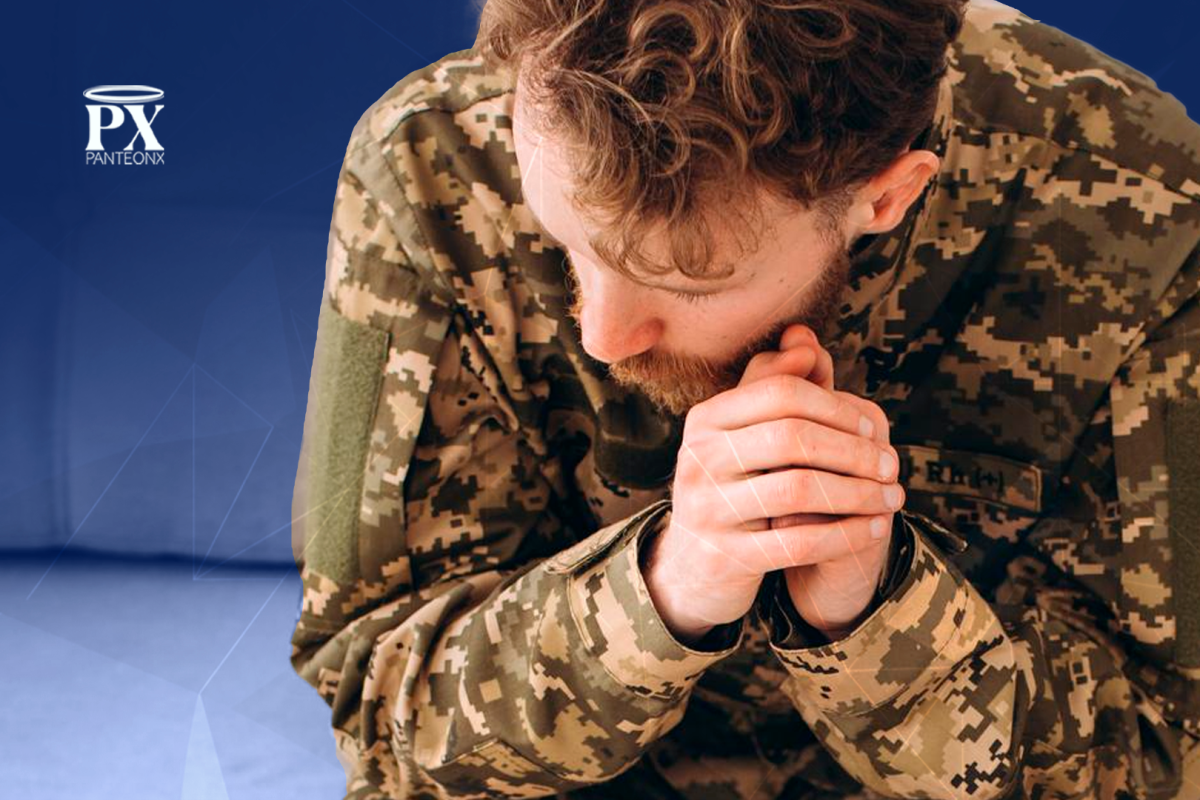
PTSD: what society needs to understand
Post-traumatic stress disorder (PTSD) is one of the possible outcomes of experiencing traumatic events.

Mental health as part of recovery
Mental health plays a crucial role in the recovery process following prolonged stress. It affects a person’s ability to adapt, make decisions and rebuild daily life.
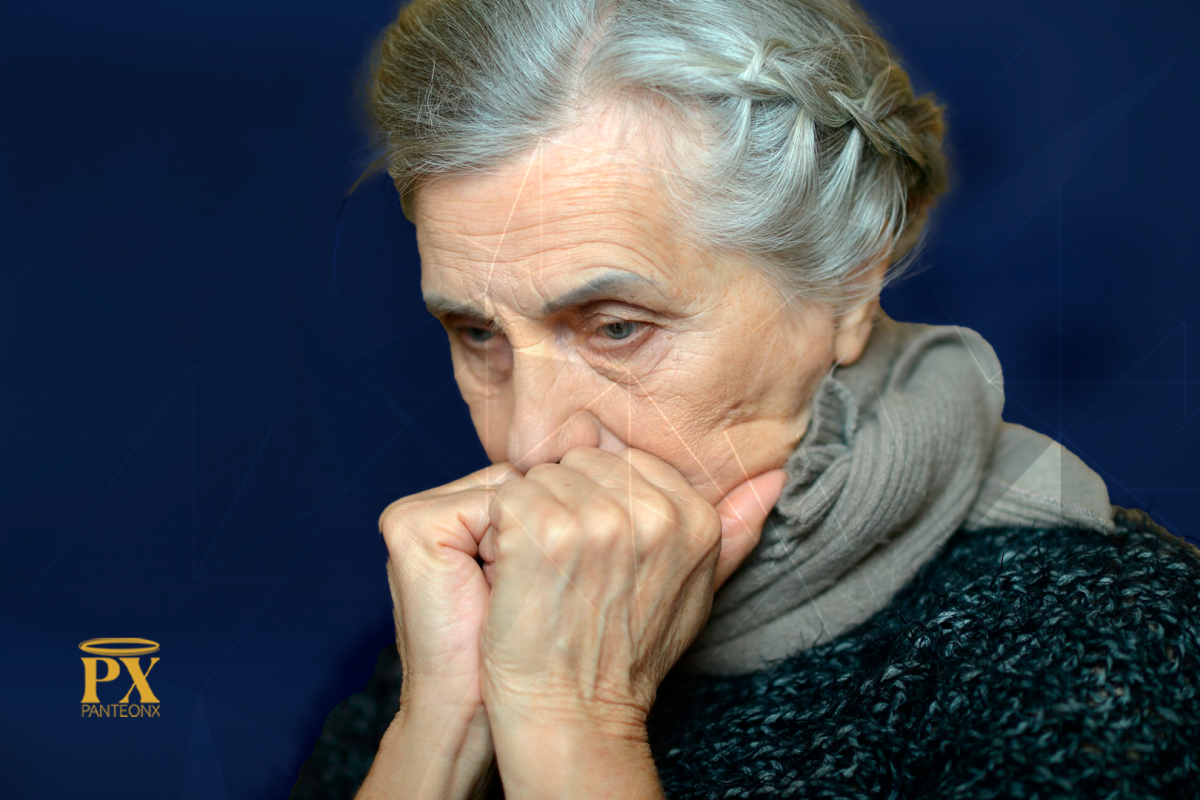
Why people stop asking for help
In difficult circumstances, people do not always seek support, even when they need it. Over time, this becomes a common behavioural pattern influenced by several factors.