
Why planning for the future becomes more difficult during war

The ability to plan for the future is a fundamental component of psychological stability. It provides a sense of control and predictability. However, in the context of prolonged war, this capacity undergoes significant change.
Uncertainty becomes a defining factor influencing decision-making. Frequent shifts in circumstances, ongoing risks and the absence of reliable forecasts lead individuals to shorten their planning horizon. As a result, many people adopt a short-term perspective, focusing on days or weeks rather than long-term goals.
This shift should not be interpreted as a lack of motivation. Rather, it represents an adaptive strategy aimed at reducing stress. When the future appears unstable, concentrating on immediate tasks helps maintain a sense of manageability.
Short-term planning as a stabilising strategy
Mental health specialists emphasise the importance of adjusting planning approaches in unstable conditions. Instead of long-term strategies, it becomes more effective to set small, achievable goals.
These may include everyday activities such as work tasks, meetings, learning or personal routines. Consistently completing such plans contributes to restoring a sense of control.
Reducing internal pressure is equally important. Expectations to plan life in the same way as before may increase tension and frustration.
In this context, flexibility emerges as a key skill. The ability to adapt to changing circumstances while continuing to move forward in small steps supports long-term psychological resilience.
Why planning for the future becomes more difficult during war


Read other articles of the fund

Building social connections from scratch: how communities are forming in Ukraine
By 2026, internal displacement in Ukraine has moved beyond the initial emergency phase into a period of gradual social restructuring.
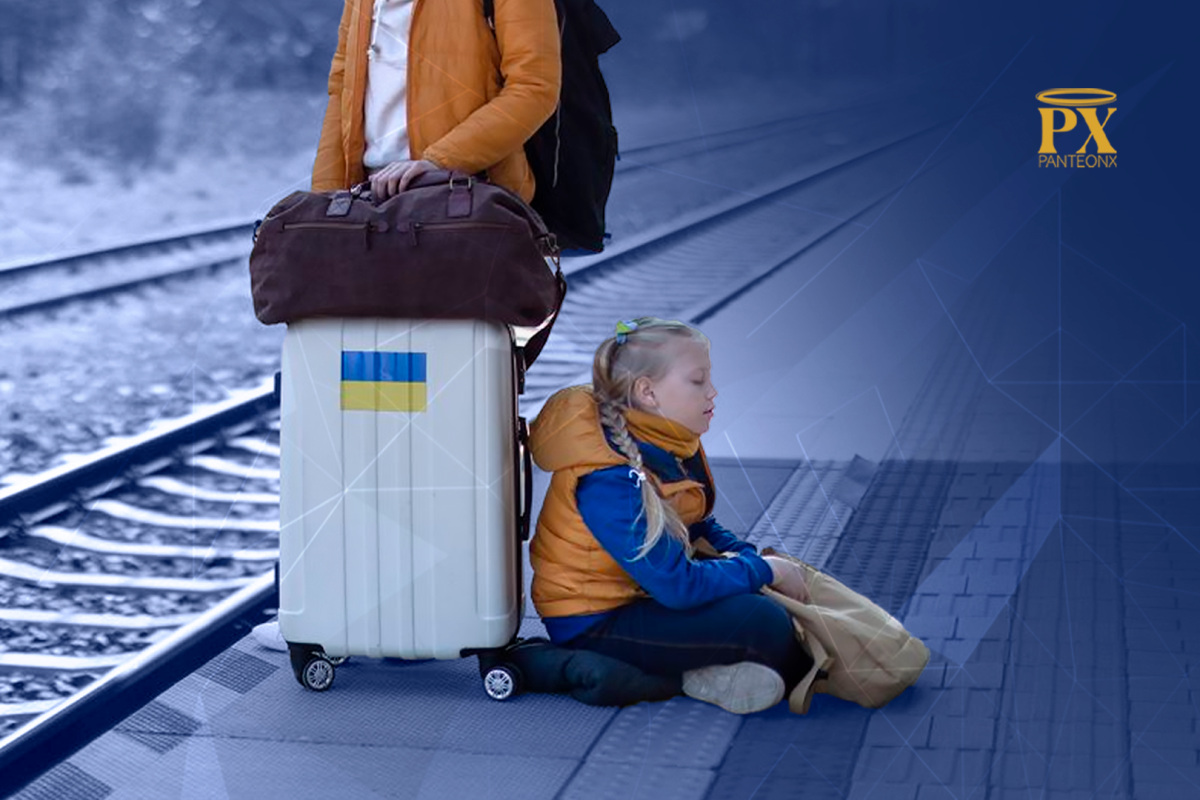
When temporary becomes prolonged: the evolving reality of internally displaced people in 2026
By 2026, a significant number of internally displaced people (IDPs) in Ukraine have been living in new communities for several years. For many, displacement began in 2022, while others have experienced it since 2014.

Maintaining a sense of control in an age of information overload
In the context of prolonged war, the information environment has become a significant factor shaping psychological wellbeing.