
Maintaining a sense of control in an age of information overload

In the context of prolonged war, the information environment has become a significant factor shaping psychological wellbeing. The constant stream of updates, alerts and messages creates a perceived need to remain continuously informed. However, this level of engagement comes at a cost.
Information overload occurs when the volume of incoming data exceeds an individual’s capacity to process it. In wartime, this is often intensified by exposure to distressing content, which reinforces anxiety and makes recovery more difficult.
Excessive consumption of news can lead to a diminished sense of control, reduced concentration and emotional fatigue. Individuals may find themselves in a continuous state of reaction, leaving little space for rest or reflection.
Selectivity as a form of stability
Mental health professionals emphasise the importance of a deliberate approach to information consumption. This does not require complete disengagement, but rather the establishment of clear boundaries.
Practical strategies include limiting the number of information sources, setting specific times for checking news, and avoiding constant scrolling. Such measures can help reduce anxiety and restore a sense of control.
It is equally important to engage in activities that reconnect individuals with their immediate environment, such as physical movement, social interaction and everyday routines. These practices help counterbalance the effects of information overload.
Sustaining resilience in times of prolonged crisis depends not only on access to information, but also on the ability to regulate its impact. Awareness and moderation are therefore essential tools for maintaining psychological stability.
Maintaining a sense of control in an age of information overload


Read other articles of the fund

Building social connections from scratch: how communities are forming in Ukraine
By 2026, internal displacement in Ukraine has moved beyond the initial emergency phase into a period of gradual social restructuring.
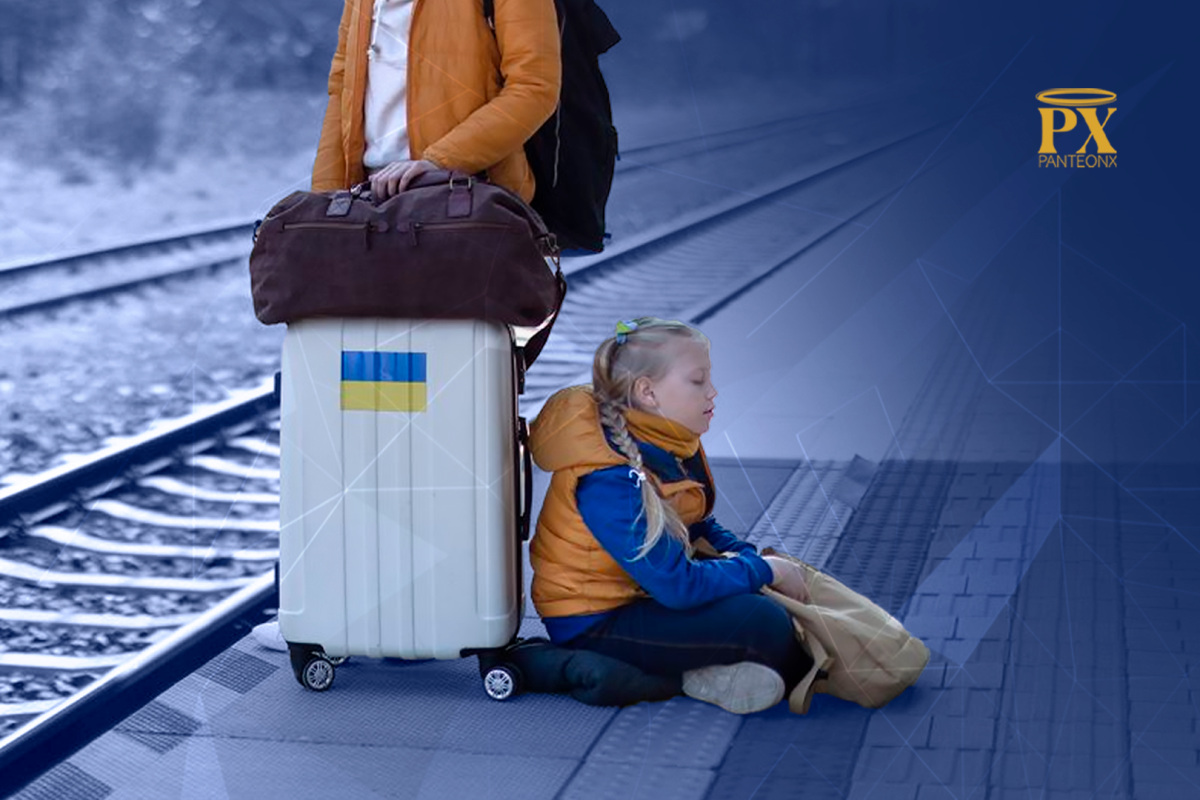
When temporary becomes prolonged: the evolving reality of internally displaced people in 2026
By 2026, a significant number of internally displaced people (IDPs) in Ukraine have been living in new communities for several years. For many, displacement began in 2022, while others have experienced it since 2014.
Why planning for the future becomes more difficult during war
The ability to plan for the future is a fundamental component of psychological stability. It provides a sense of control and predictability. However, in the context of prolonged war, this capacity undergoes significant change.