
When temporary becomes prolonged: the evolving reality of internally displaced people in 2026
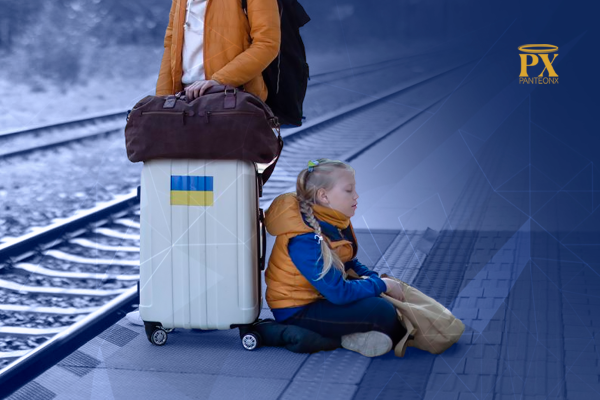
By 2026, a significant number of internally displaced people (IDPs) in Ukraine have been living in new communities for several years. For many, displacement began in 2022, while others have experienced it since 2014. As a result, the notion of “temporary displacement” increasingly fails to reflect reality.
Over time, the nature of challenges changes. In the initial phase, the primary concerns were safety, housing and access to basic necessities. Today, the focus has shifted towards stability, employment and long-term planning. People are seeking not only security, but also the conditions necessary for rebuilding their lives.
However, prolonged displacement is often accompanied by a persistent sense of uncertainty. Many decisions are postponed, including housing commitments, career changes and educational investments. This hesitation stems not from a lack of motivation, but from an unstable environment.
From adaptation to integration
At this stage, it becomes clear that approaches to supporting IDPs must evolve. The focus moves beyond humanitarian assistance towards enabling integration. Employment opportunities, access to education, community development and social connections are central to this process.
Integration is inherently a two-way process. It requires both the active participation of displaced individuals and the openness of host communities. Building trust, engaging in shared initiatives and participating in social life gradually reduce the sense of temporariness.
In 2026, the issue of internal displacement is no longer solely about emergency response. It has become a matter of long-term policy and societal development, shaping whether individuals can move beyond survival towards stability and belonging.
When temporary becomes prolonged: the evolving reality of internally displaced people in 2026
Read other articles of the fund

Building social connections from scratch: how communities are forming in Ukraine
By 2026, internal displacement in Ukraine has moved beyond the initial emergency phase into a period of gradual social restructuring.

Why planning for the future becomes more difficult during war
The ability to plan for the future is a fundamental component of psychological stability. It provides a sense of control and predictability. However, in the context of prolonged war, this capacity undergoes significant change.

Maintaining a sense of control in an age of information overload
In the context of prolonged war, the information environment has become a significant factor shaping psychological wellbeing.