
Building social connections from scratch: how communities are forming in Ukraine

By 2026, internal displacement in Ukraine has moved beyond the initial emergency phase into a period of gradual social restructuring. For many individuals, relocation has meant not only a change of residence but a complete reset of social connections.
While the early stages of displacement were focused on meeting basic needs, attention is increasingly shifting towards social interaction and a sense of belonging. These factors are essential for long-term stability and integration.
Across Ukraine, several practical models have emerged to support the formation of new social networks. Support centres for internally displaced people, originally established to distribute humanitarian aid, have evolved into spaces for communication and peer support.
Educational and professional environments also play a significant role. Training programmes, language courses and co-working spaces provide opportunities for regular interaction. It is this consistency and shared activity that help build trust over time.
The role of local initiatives and informal networks
Local initiatives have become a key driver in community formation. Volunteer groups, cultural events, children’s activities and informal support networks all contribute to creating opportunities for connection.
In many cities, community events — from educational sessions to small group meetings — have become common. These formats allow individuals not only to access information but also to establish personal relationships.
An important development is the growing number of initiatives led by displaced individuals themselves. This shift reflects a move from receiving support to actively shaping community life.
The formation of social connections in a new environment is a gradual process. It is built through repeated interactions, shared experiences and mutual support, which together create a sense of belonging and stability.
Building social connections from scratch: how communities are forming in Ukraine


Read other articles of the fund
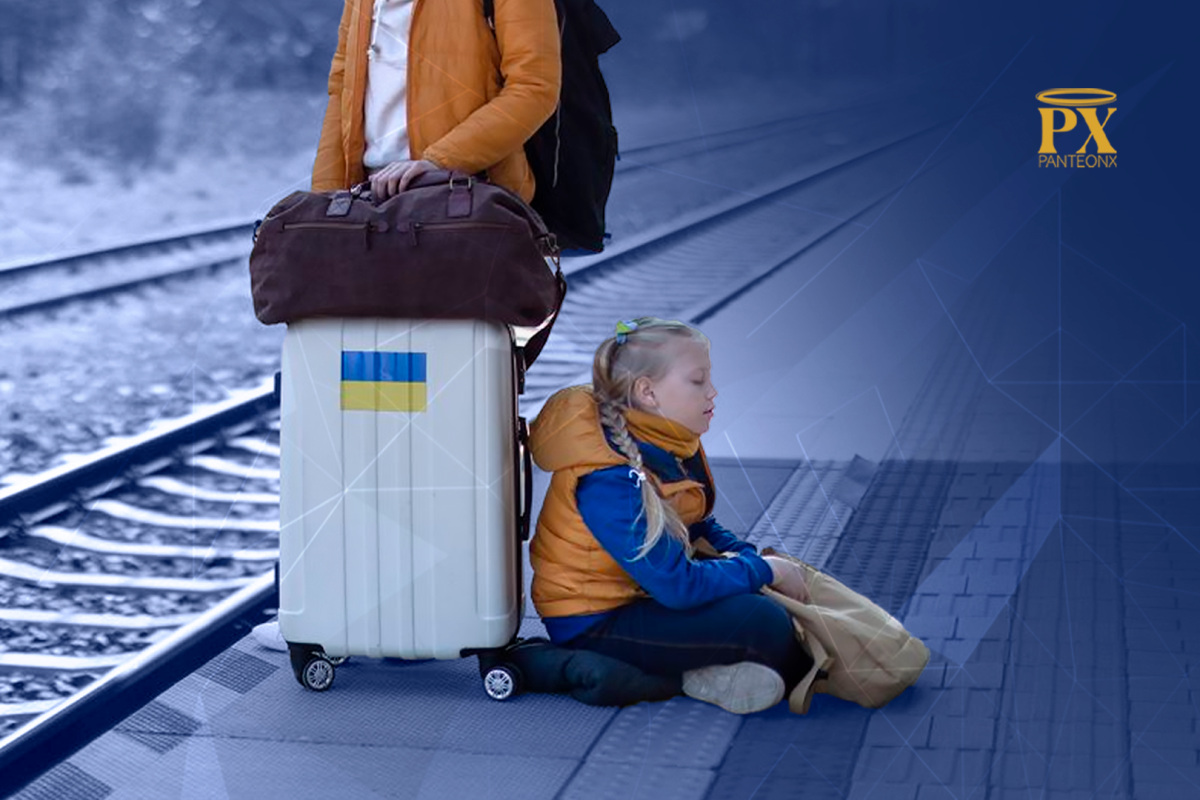
When temporary becomes prolonged: the evolving reality of internally displaced people in 2026
By 2026, a significant number of internally displaced people (IDPs) in Ukraine have been living in new communities for several years. For many, displacement began in 2022, while others have experienced it since 2014.

Why planning for the future becomes more difficult during war
The ability to plan for the future is a fundamental component of psychological stability. It provides a sense of control and predictability. However, in the context of prolonged war, this capacity undergoes significant change.

Maintaining a sense of control in an age of information overload
In the context of prolonged war, the information environment has become a significant factor shaping psychological wellbeing.